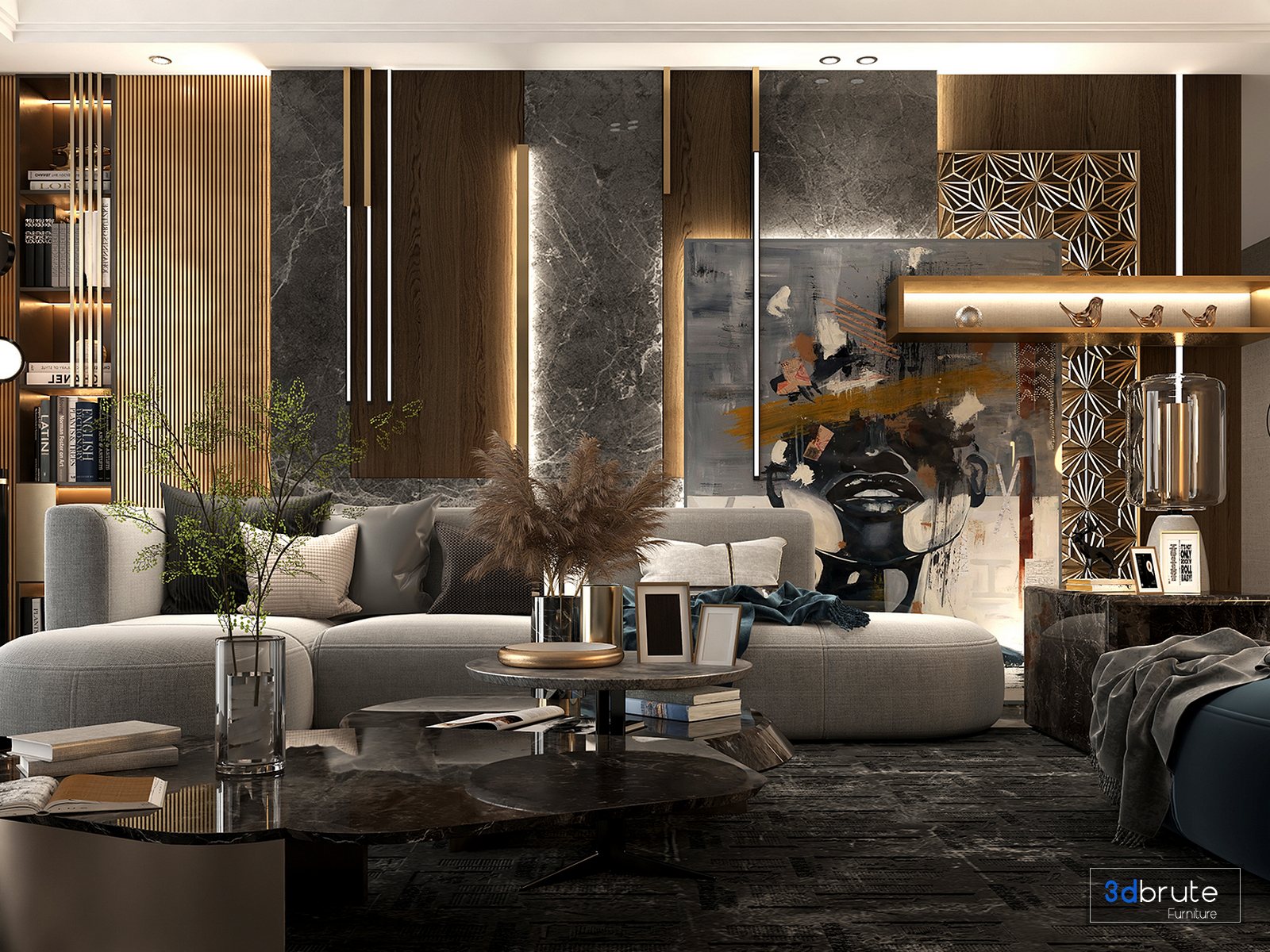
Experience improved sleep, mood, and productivity with Dynamic Circadian Lighting for Home Environments. Practical tips for real-world setups.

For years, I’ve seen firsthand how light impacts our daily lives. Beyond simply illuminating a room, light plays a crucial role in regulating our internal body clock, known as the circadian rhythm. Implementing Dynamic Circadian Lighting for Home Environments isn’t just about switching to smart bulbs; it’s about purposefully aligning your indoor light with natural light patterns. My personal journey with this technology began out of a desire for better sleep and sustained daytime energy, leading to a practical understanding of what truly works in a home setting.
Overview
- Dynamic Circadian Lighting for Home Environments simulates natural light, adjusting color temperature and brightness throughout the day.
- This approach supports the body’s natural sleep-wake cycle, potentially improving sleep quality and daytime alertness.
- Setup typically involves smart bulbs, light strips, or fixtures with tunable white capabilities, managed by a smart home hub or app.
- Key benefits include better mood regulation, reduced eye strain, and a more comfortable living space.
- Practical implementation often starts in primary living areas and bedrooms, gradually expanding as familiarity grows.
- It requires an initial investment in hardware and a commitment to understanding how light affects individual well-being.
- Many systems offer automation based on geographical location and sunrise/sunset times.
Setting Up Dynamic Circadian Lighting for Home Environments
Getting started with Dynamic Circadian Lighting for Home Environments doesn’t require a complete home overhaul. I began by replacing key light sources in my bedroom and living room. Smart bulbs, often controllable via a phone app or voice assistant, are an accessible entry point. Look for bulbs capable of “tunable white,” meaning they can shift from warm amber tones (around 2200K) to cool, bright blues (up to 6500K). Phillips Hue and Lutron are common brands in the US market offering these features.
The core idea is automation. Your lighting system should automatically adjust without constant manual input. Schedule lights to mimic a gentle sunrise in the morning, gradually brightening and cooling. During the day, maintain a neutral to cool white light for alertness and focus. As evening approaches, the lights should slowly dim and shift to warmer, amber tones. This signals to your body that it’s time to prepare for sleep. I found that a gradual transition over 60-90 minutes before bedtime works best for my family. Prioritize areas where you spend the most time, like home offices or reading nooks.
My Experience with Dynamic Circadian Lighting for Home Environments
Initially, the changes were subtle. Over weeks, however, I noticed a distinct improvement in my sleep quality. Waking felt more natural, without the jarring sensation of an alarm clock against a dark room. My afternoon energy slumps became less severe, attributed to the consistent bright, cooler light during work hours. The evening winding-down routine became easier too. The warm, dim light subtly encouraged relaxation, making screens less appealing after sunset.
There were learning curves. Not all smart bulbs perform equally. Some struggle with smooth transitions or lack the full spectrum of color temperatures needed for effective circadian adjustment. Integration with existing smart home systems also posed minor challenges. Ensuring consistent performance across different brands sometimes meant sticking to one ecosystem. Despite these small hurdles, the overall impact of Dynamic Circadian Lighting for Home Environments on my daily rhythm and general well-being has been profoundly positive. It became an essential part of my home environment, moving beyond a simple gadget.
Practical Considerations for Home Lighting
Beyond specific product choices, several practical points shape the success of a dynamic lighting setup. Cost is a factor; good quality tunable white bulbs are more expensive than standard LEDs. However, their longevity and energy efficiency offer long-term savings. Installation complexity varies; some systems are plug-and-play, while others may require a smart home hub. Planning the placement of lights is also key. Think about where you need bright, alerting light versus warm, relaxing illumination. Task lighting for reading or cooking can still be bright, but ensure general ambient light follows the circadian rhythm.
Flexibility is also important. There will be times you need to override the automation for a specific task or mood. The system should allow easy manual adjustments. Consider guest bedrooms; while you might want circadian lighting there, ensuring it’s intuitive for visitors is helpful. It’s about finding a balance between automated well-being support and practical everyday use. Good lighting also accounts for natural light availability through windows, complementing it rather than competing.
Optimizing Dynamic Circadian Lighting for Home Environments for Well-being
To truly optimize Dynamic Circadian Lighting for Home Environments, pay attention to your body’s responses. Some individuals may benefit from brighter daytime light, while others might prefer a slightly longer evening transition. Adjust the timings for your specific schedule. If you work from home, a concentrated period of cool, bright light during peak productivity hours can be very effective. Conversely, avoid bright lights late at night, especially blue-rich light from screens, which can counteract the benefits of your lighting system.
Consistency is vital. Sticking to a regular light schedule, even on weekends, helps anchor your circadian rhythm. I’ve found that using motion sensors in bathrooms to trigger only very dim, warm light during night-time visits helps prevent sleep disruption. Experiment with different light levels and color temperatures in various rooms. Over time, you’ll intuitively understand what feels right for different activities and times of day. This personalized approach truly maximizes the advantages of dynamic lighting for your health and comfort.